

What changed • Who it affects • Why it matters
Statewide Business Pulse
▲ Moving: Rural construction, local public projects, retail activity, summer events, small-town financing
▬ Stable: Workforce demand, oil production planning, main-street services
▼ Down / Under Pressure: Contractor scheduling, seasonal staffing, delivery timing, businesses near detours
Watch: Rural project deadlines, summer event traffic, fuel-sensitive operations, low unemployment labor squeeze
Today’s Signals
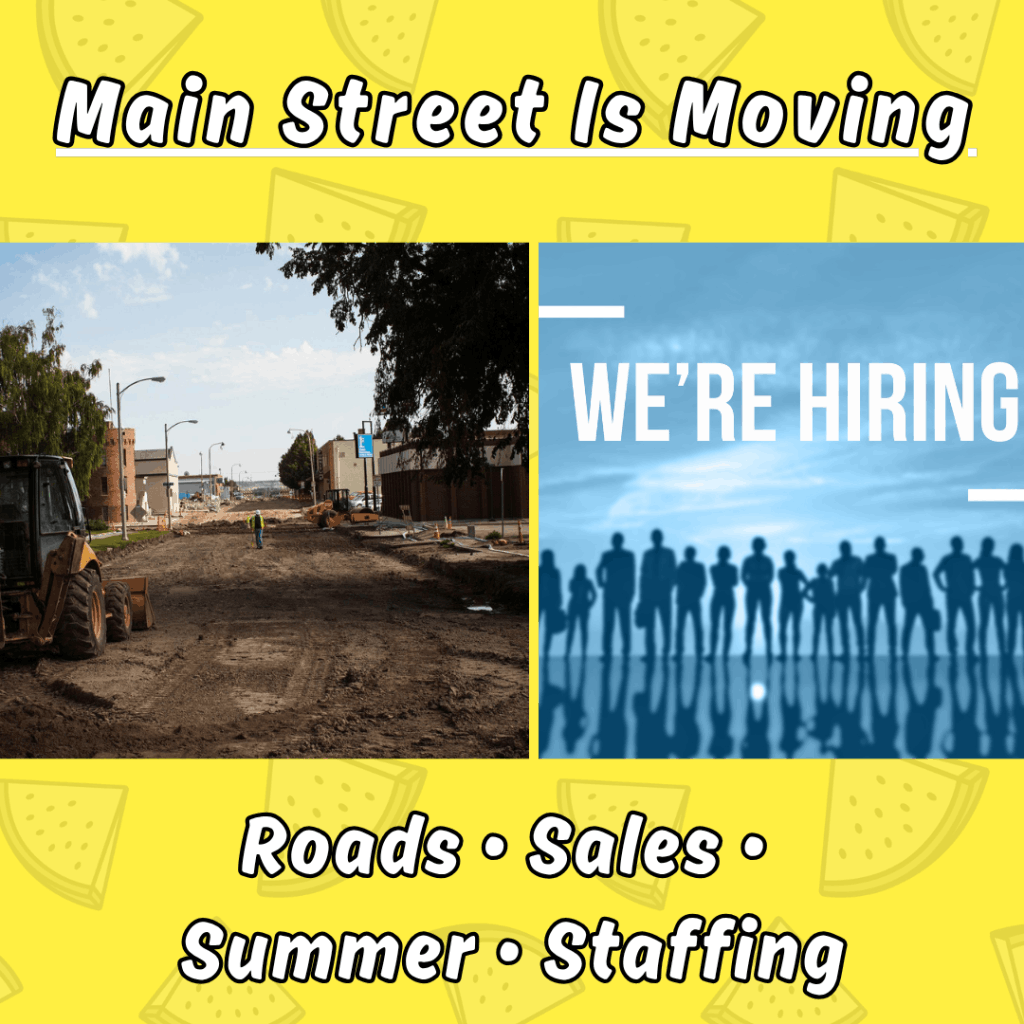
Construction / Local Contractors: Rural road money is moving into 29 projects
What changed: NDDOT selected 29 Special Road Fund projects totaling $10 million, announced May 27.
Who it affects: Contractors, gravel haulers, concrete/asphalt firms, equipment rental companies, local governments, and businesses located near project routes.
Why it matters: This is not just “road news.” Local road work moves money through small communities, but it also tightens labor, trucks, traffic flow, and job scheduling. Contractors should watch bid timing, hauling capacity, and crew availability before the summer calendar gets packed.
Source: NDDOT Special Road Fund announcement.
Retail / Local Sales: First-quarter taxable sales rose statewide
What changed: North Dakota taxable sales and purchases increased 4.24% in Q1 2026 compared with Q1 2025, totaling $5.96 billion. The Tax Commissioner noted retail performed well, and manufacturing and construction were strong for the quarter.
Who it affects: Retailers, restaurants, service providers, builders, manufacturers, local governments, bookkeepers, and sales-tax filers.
Why it matters: Higher taxable sales can signal healthier activity, but it does not automatically mean every business is more profitable. Owners still need to separate higher sales volume from higher input costs, payroll pressure, and thinner margins.
Source: ND Office of State Tax Commissioner Q1 taxable sales data.
Rural Business Finance: More small-town businesses may now qualify for NDDF help
What changed: The North Dakota Development Fund expanded eligibility to include certain non-primary sector businesses, nonprofits such as chambers or economic development groups, and political subdivisions in communities under 10,000 people or more than five miles outside city limits. Financing can be used for working capital, equipment, non-passive real estate, or interim construction needs.
Who it affects: Rural retailers, service businesses, childcare operators, community organizations, local lenders, and small-town expansion projects.
Why it matters: This is a practical opportunity for businesses that may not fit traditional “primary sector” rules but still keep a town functioning. The catch: applicants need a lead lender and must meet feasibility and equity requirements, so this is worth discussing with a banker early.
Source: ND Commerce Development Fund eligibility update.
Workforce / Hiring: North Dakota remains near the tightest labor market in the country
What changed: BLS reported North Dakota’s April 2026 unemployment rate at 2.4%, second-lowest among states behind South Dakota.
Who it affects: Employers hiring seasonal help, construction firms, hospitality, food trucks, home services, childcare, retail, manufacturers, and office-based businesses.
Why it matters: Low unemployment sounds good, but for owners it means fewer available applicants, more pressure to train from within, and more competition for dependable entry-level workers. Wage alone may not solve it; flexibility, scheduling, training, and workplace culture matter.
Source: Bureau of Labor Statistics state unemployment release.
Tourism / Food Vendors / Events: Summer traffic is lining up across the state
What changed: ND Commerce highlighted a summer calendar filled with rodeos, racing, fairs, concerts, Medora events, and community festivals, including Roughrider Days, Red River Valley Fair, ND Country Fest, and the North Dakota State Fair.
Who it affects: Food trucks, vendors, crafters, lodging, fuel stations, restaurants, local retailers, ag-related exhibitors, entertainers, and small-town service providers.
Why it matters: Summer events can bring strong foot traffic, but only for businesses that plan ahead. Inventory, mobile payment systems, staffing, signage, generator fuel, and backup supplies need to be ready before the weekend rush starts.
Source: ND Commerce summer events announcement.
Agriculture / Input Planning: Planting progress is moving, but margin math still matters
What changed: USDA’s May 26 Crop Progress report showed national corn and soybean planting moving ahead of average, while North Dakota crop-watchers are also tracking pasture and range conditions as spring work continues.
Who it affects: Farmers, implement dealers, repair shops, fuel suppliers, seed and chemical retailers, ag lenders, trucking firms, and rural main-street businesses.
Why it matters: When fieldwork moves fast, purchases and repairs come in bunches. That can create short bursts of business for dealers and service shops, but it also creates pressure on parts, technicians, and delivery windows.
Source: USDA Crop Progress report and North Dakota crop update.
Risk / Opportunity
Risk: A strong activity signal can hide cash-flow strain. Sales are up, projects are moving, and events are coming, but labor, fuel, materials, detours, and inventory timing can still squeeze margins.
Opportunity: Rural businesses may have a short window to line up financing, prepare for summer traffic, and position themselves for public-project ripple effects before schedules tighten.