

What changed • Who it affects • Why it matters
Statewide Business Pulse
▲ Moving: A North Dakota ethanol plant is increasing output. Gevo said Monday that a new system has been commissioned ahead of schedule at its Richardton facility. The broader upgrade is expected to increase output by 10%–15% as the plant works toward roughly 75 million gallons of annual capacity.
▬ Stable: North Dakota grain prices remain stronger than a year ago in several major crops. USDA-based September 11 cash bids averaged about $4.55 for corn, $12.28 for soybeans and $6.69 for wheat, although actual bids vary by location and basis. Transportation costs remain an important part of what ultimately reaches the producer.
▼ Down / Under Pressure: Borrowing costs are moving the wrong direction for businesses waiting for relief. The yield on the 10-year U.S. Treasury moved above 5% today, its highest level since 2007, as markets priced in a strong likelihood that the Federal Reserve will raise its benchmark rate Wednesday.
Watch: The Federal Reserve begins its two-day meeting today. Markets now put the probability of a quarter-point rate increase above 90%, according to Reuters. That is a significant change from the rate-cut expectations businesses were hearing earlier this year.
Today’s Signals
1. Finance / Credit: The business-rate conversation has changed
What changed
U.S. Treasury yields moved higher today as investors prepared for Wednesday’s Federal Reserve decision.
The benchmark 10-year Treasury yield moved above 5%, reaching levels not seen since 2007. Financial markets now overwhelmingly expect the Fed to raise its benchmark rate by a quarter percentage point.
The immediate concern is inflation. Oil prices have risen sharply, while August consumer inflation remained above the Federal Reserve’s 2% target.
Who it affects
Businesses with variable-rate debt, farmers using operating credit, commercial real-estate borrowers, companies financing equipment or inventory, entrepreneurs seeking capital and consumers financing major purchases.
Why it matters
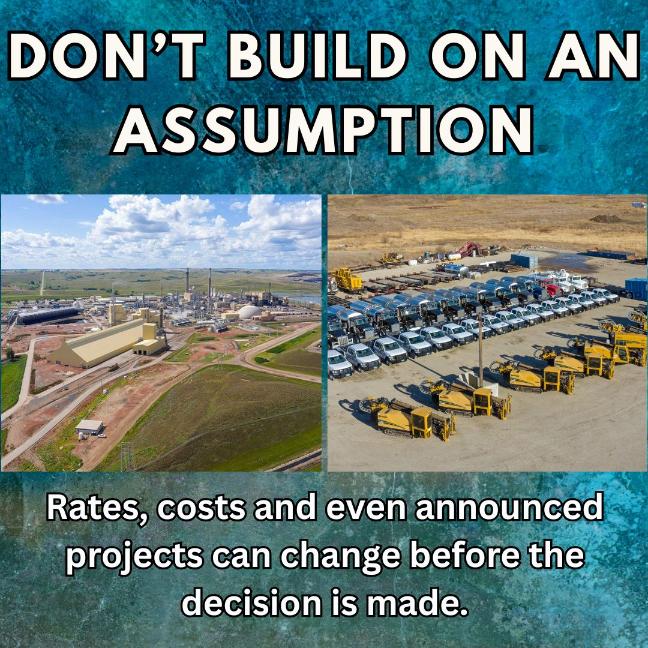
For months, many financing decisions included an assumption that interest rates would eventually come down.
That assumption now deserves another look.
The Federal Reserve hasn’t made its decision yet. But the market has moved far enough that businesses considering borrowing should run the numbers using today’s financing environment, not a hoped-for rate decline.
The 10-year Treasury matters beyond Wall Street. It influences longer-term borrowing costs throughout the economy, including commercial loans and mortgages.
Wednesday’s Fed decision will settle the immediate question. What the Fed says about additional increases will matter even more for businesses planning purchases or expansion later this year.
Source links:
Reuters — Markets price in a September Federal Reserve rate increase
MarketWatch — 10-year Treasury yield moves above 5%
2. Agriculture / Manufacturing: Richardton ethanol plant completes another production upgrade
What changed
Gevo announced Monday that it has successfully commissioned a new carbon-dioxide degassing system at its ethanol facility near Richardton.
The equipment is one part of a larger project intended to increase output and operating returns at the plant by 10%–15%.
The company is working toward approximately 75 million gallons of annual ethanol production at the existing facility. A new steam-turbine project was commissioned in August, and additional improvements include another liquefaction tank and other production upgrades.
The plant currently uses roughly 21–23 million bushels of corn annually, according to company information.
Who it affects
Corn producers, grain elevators, truckers, plant employees, contractors, equipment suppliers and businesses in Richardton and surrounding western North Dakota communities.
Why it matters
This is an example of value-added agriculture that already exists moving into higher production.
For farmers, ethanol plants create another regional buyer for corn. For the surrounding economy, plant expansion creates work for contractors, maintenance companies, transportation providers and other suppliers.
The company says the Richardton facility paid $86.43 million to farmers within 75 miles for biomass in 2025, which gives some scale to how plant activity moves through the surrounding economy.
There is also a larger expansion still being considered. Gevo announced in March that it is developing plans for a second ethanol facility at the site with capacity of up to another 75 million gallons annually. That project remains a plan, so it should be treated separately from the upgrades actually being completed now.
Source links:
Gevo — September 14 Richardton production update
Gevo — Richardton facility information
3. Workforce / Trades: Tomorrow puts employers directly in front of students considering careers
What changed
Futurepalooza takes place Wednesday morning at Minot State University.
The event brings hundreds of area high-school juniors and seniors together with employers and people working in different occupations.
More than 750 students participated in 2025.
Businesses and industry representatives serve as table hosts, explaining career paths and talking directly with students. Organizers specifically tell participating employers they can bring recruiting materials and job applications.
Who it affects
Employers in the trades, manufacturing, health care, technology, agriculture, energy and other industries trying to build a younger workforce.
Why it matters
North Dakota employers often talk about the worker shortage after someone has already chosen a career.
This reaches students earlier.
For trades and technical employers especially, that matters. A student who doesn’t know what a welder, lineworker, machinist, equipment technician or automation specialist actually does can’t seriously consider it as a career.
This is also a reminder for employers that workforce development doesn’t begin with posting an opening. Building the next workforce sometimes means showing up before those workers have decided what they want to become.
Source link:
Minot State University — 2026 Futurepalooza
4. Manufacturing / Supply Chain: Input costs are climbing again
What changed
U.S. manufacturers are reporting another increase in the cost of raw materials, energy, freight and electronic components.
The Financial Times reported today that businesses across more than a dozen industries are experiencing higher input prices, with petroleum-based products, steel and aluminum among the areas under pressure.
Manufacturers are also reporting shortages and longer lead times for some electronics as AI-related demand consumes more semiconductor and memory-chip production.
Who it affects
North Dakota manufacturers, metal fabricators, contractors, equipment dealers, technology companies, repair businesses and companies purchasing imported components or petroleum-based products.
Why it matters
A manufacturer doesn’t need to import directly to encounter these costs.
A supplier can pass along higher steel, aluminum, electronics, energy or freight expenses.
That creates a familiar but uncomfortable choice: absorb the increase, raise the customer’s price or find another supplier.
Businesses that quote work weeks or months before purchasing materials should pay particular attention. A profitable quote can become a poor job when material costs move substantially between estimate and purchase.
For companies with longer lead times, it may be worth reviewing how long quotes remain valid and whether material-price changes are addressed before accepting new work.
Source link:
Financial Times — U.S. manufacturers face renewed supply-chain cost inflation
5. Economic Development: Beulah loses the nickel-processing project it had expected
What changed
Talon Metals has decided not to build its proposed nickel-processing plant in Beulah.
The company will instead locate the processing operation at its existing Humboldt Mill in Michigan.
Talon said acquiring that Michigan facility in January created a processing option that wasn’t available when Beulah was originally selected. The company said its decision was not a reflection on North Dakota or the support the proposed project received here.
The Beulah project had originally been announced in May 2025.
Who it affects
Beulah and Mercer County businesses, contractors, potential employees, suppliers, economic-development organizations and communities pursuing large industrial projects.
Why it matters
This is a useful reminder of the difference between an announced project and an operating business.
Communities can spend considerable time planning around a proposed industrial development — workforce, housing, infrastructure, suppliers and local services — before the company makes its final investment decision.
That doesn’t mean communities shouldn’t pursue projects.
It does mean businesses should be careful about making major investments based entirely on an announcement.
For Beulah, the immediate question becomes what happens to the work, infrastructure planning and economic-development effort already built around the proposed plant.
Source link:
KFYR — Talon Metals drops Beulah as nickel-processing location
Risk / Opportunity
Risk: Financing and input costs are moving together. Treasury yields are at levels not seen since 2007 while manufacturers are again reporting higher material, energy and freight expenses. Businesses considering an equipment purchase or expansion should test whether the project still works if both borrowing and operating costs remain higher than expected.
Opportunity: Richardton provides the opposite signal. An existing North Dakota processor is increasing production rather than waiting for a completely new facility to be built. That creates additional demand inside an established agriculture and supplier network.
Watch: The Federal Reserve announces its rate decision Wednesday. We’ll focus on the actual decision and what it means for North Dakota business borrowing rather than trying to predict it today.