

 What changed • Who it affects • Why it matters
Statewide Business Pulse
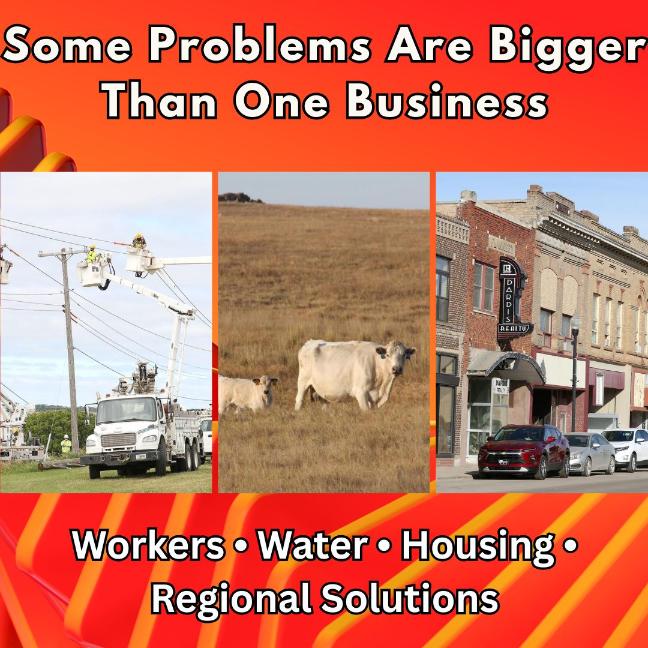
▲ Moving: North Dakota Commerce awarded $269,400 yesterday to three regional workforce projects and will reopen the Regional Workforce Impact Program application window Tuesday, August 25. The awards target energy/utilities, healthcare, education and rural workforce stability.
▬ Stable: Initial U.S. unemployment claims fell to 206,000 last week. Layoffs remain relatively low even as employers have become more cautious about adding workers.
▼ Down / Under Pressure: Drought continues to spread in North Dakota. Drought.gov now estimates about 535,400 North Dakotans live in drought-affected areas, up 10.3% in one week. That keeps pressure on livestock, forage, rural water and businesses serving agriculture.
Watch: July state employment and unemployment figures are released at 9 a.m. Central today. North Dakota entered the report with a seasonally adjusted June unemployment rate of 2.3%, second-lowest among states. Today’s numbers will show whether the state’s tight labor market changed in July.
Today’s Signals
1. Workforce: New regional awards target problems employers can’t solve with another job posting
What changed:
North Dakota Commerce announced Thursday that three projects received funding through the Regional Workforce Impact Program.
- Tri-County Regional Development Council — $130,100 for a workforce strategy serving the energy/utility and healthcare sectors.
- Central Regional Education Association — $79,300 to address workplace conditions and educator retention.
- City of Beach — $60,000 for coordinated healthcare workforce planning involving regional providers.
The next RWIP application window opens Tuesday, August 25 at 9 a.m. Central.
Who it affects:
Healthcare employers, utilities, energy companies, educators, regional economic-development groups, local governments and employers dealing with persistent workforce shortages.
Why it matters:
These awards are useful because they show where North Dakota’s workforce discussion is going.
The state isn’t treating every shortage as a recruiting problem. Projects are increasingly looking at retention, workplace conditions, training and regional cooperation.
For business groups and communities considering their own workforce projects, the August 25 reopening creates another opportunity to move from talking about a labor shortage to proposing a specific regional solution.
Source:
North Dakota Commerce — Regional Workforce Impact Program awards
Regional Workforce Impact Program information
2. Workforce / Employers: Global Talent Summit registration closes at 5 p.m. today
What changed:
Registration for North Dakota’s September 3 Global Talent Summit closes today at 5 p.m. The employer-focused event covers employment-based immigration, recruiting entry-level and skilled-trade workers, onboarding, workplace English and retention.
Commerce also lists free 15-minute immigration consultations for employers on September 4 with an immigration attorney participating in the summit.
Who it affects:
Employers struggling to fill skilled trades, healthcare, technical, manufacturing and other hard-to-fill positions.
Why it matters:
International recruitment isn’t a practical solution for every employer, but businesses considering it need reliable information before spending money or making promises to a prospective worker.
The useful part of this event is the employer focus: legal pathways, recruiting, onboarding and keeping employees after they arrive.
It belongs alongside apprenticeships, automation, childcare and internal training as one workforce option, rather than being treated as the answer to North Dakota’s labor shortage.
Source:
North Dakota Global Talent Summit
3. Agriculture: Drought footprint grows again as livestock-water pressure continues
What changed:
The latest federal drought data show conditions worsening across North Dakota. Drought.gov estimates about 535,400 residents are now in drought-affected areas, a 10.3% increase from the previous week. July was the state’s 17th-driest July since 1895, with statewide precipitation running 1.14 inches below normal.
Earlier this week, North Dakota activated $2 million in livestock-water assistance as the drought intensified.
Who it affects:
Ranchers, hay producers, feed suppliers, well drillers, rural-water systems, livestock haulers, auction markets, equipment companies and Main Street businesses in livestock-dependent communities.
Why it matters:
The issue is moving from crop condition toward fall and winter operating decisions.
Ranchers deciding whether to buy hay, develop water, move cattle or reduce herd size make purchasing decisions that affect businesses far beyond the farm gate.
North Dakota’s Hay Hotline is also active for producers needing hay or pasture and those with forage available.
Sources:
Drought.gov — North Dakota conditions
North Dakota Department of Agriculture — drought and livestock water assistance
North Dakota Hay Hotline information
4. Economy: Leading indicators improve for the first time in a long while, but consumers remain the weak spot
What changed:
The Conference Board’s U.S. Leading Economic Index increased 0.2% in July after a revised 0.1% decline in June. More importantly, its six-month growth rate turned positive for the first time in more than four years.
Most components improved. Consumer expectations remained a drag.
Who it affects:
Retailers, manufacturers, contractors, lenders, professional-service firms and business owners making hiring or investment decisions.
Why it matters:
This is a forward-looking signal rather than a report of what happened several months ago.
It suggests the broader economy may continue growing moderately. But the weak consumer-expectations component fits what many businesses are already seeing: companies may continue investing while households remain careful about discretionary purchases.
That distinction matters for North Dakota. A manufacturer selling business equipment can experience a considerably different market than a Main Street retailer selling optional purchases.
Source:
The Conference Board — July Leading Economic Index
5. Construction / Housing: Mortgage demand gives builders another caution signal
What changed:
The Mortgage Bankers Association reported Thursday that applications to purchase newly built homes fell 5.7% from July 2025 and 1% from June. MBA estimated new-home sales at a seasonally adjusted annual rate of 647,000 units, below the average pace during the first half of 2026.
Meanwhile, the average 30-year fixed mortgage rate eased slightly this week to 6.65%, but remains above its year-ago level.
Who it affects:
Homebuilders, glass companies, electricians, plumbers, HVAC contractors, lumberyards, real-estate businesses, lenders and communities trying to expand housing supply.
Why it matters:
This adds to the softer housing-start numbers reported earlier this week.
The issue isn’t simply whether people need housing. Financing determines whether they can afford to buy it.
For North Dakota contractors, national numbers shouldn’t replace local permit and backlog data, but they do suggest caution when assuming housing demand will automatically turn into construction work.
Sources:
Mortgage Bankers Association — July new-home purchase applications
6. Labor Market: North Dakota gets a fresh workforce reading this morning
What changed:
The Bureau of Labor Statistics releases July state employment and unemployment data at 9 a.m. Central today.
North Dakota’s seasonally adjusted unemployment rate stood at 2.3% in June, second only to South Dakota’s 2.0%.
Nationally, new unemployment claims fell by 6,000 last week to 206,000, suggesting employers still aren’t conducting widespread layoffs even though hiring has slowed.
Who it affects:
Every North Dakota employer competing for workers, especially healthcare, construction, manufacturing, agriculture, hospitality and skilled trades.
Why it matters:
North Dakota’s unemployment rate has been low enough that small changes deserve attention.
Today’s report will help answer a practical question: Is the pool of available workers beginning to loosen, or are North Dakota employers still operating in essentially the same tight labor market?
Because the report comes after this briefing is published, today’s North Dakota July number isn’t being guessed here.
Source:
BLS State Employment and Unemployment releases
Risk / Opportunity
Risk:
North Dakota employers are dealing with two different kinds of constraint at once. Labor remains scarce, while high borrowing and mortgage costs continue limiting how quickly businesses and households can turn demand into actual purchases. Agriculture adds another layer as drought forces producers to redirect money toward feed, water and herd-management decisions.
Opportunity:
The newest workforce awards point toward something businesses can act on. North Dakota is funding regional approaches rather than expecting individual employers to solve every workforce problem themselves, and another application window opens Tuesday. At the same time, the broader economic leading index has finally moved into positive six-month territory.
For owners, the useful question may be: Which problem really belongs inside my business—and which one could be solved with other employers, training providers or the community?