

What changed • Who it affects • Why it matters
Statewide Business Pulse
▲ Moving: Workforce integration, road/infrastructure contractors, spring crop activity, local hiring events
▬ Stable: Main Street services, professional services, energy support activity
▼ Down / Under Pressure: Retail hardware/home goods, small business confidence, planning certainty
Watch: Language barriers in the workplace, short-term labor scheduling, local supply gaps, field conditions
Today’s Signals
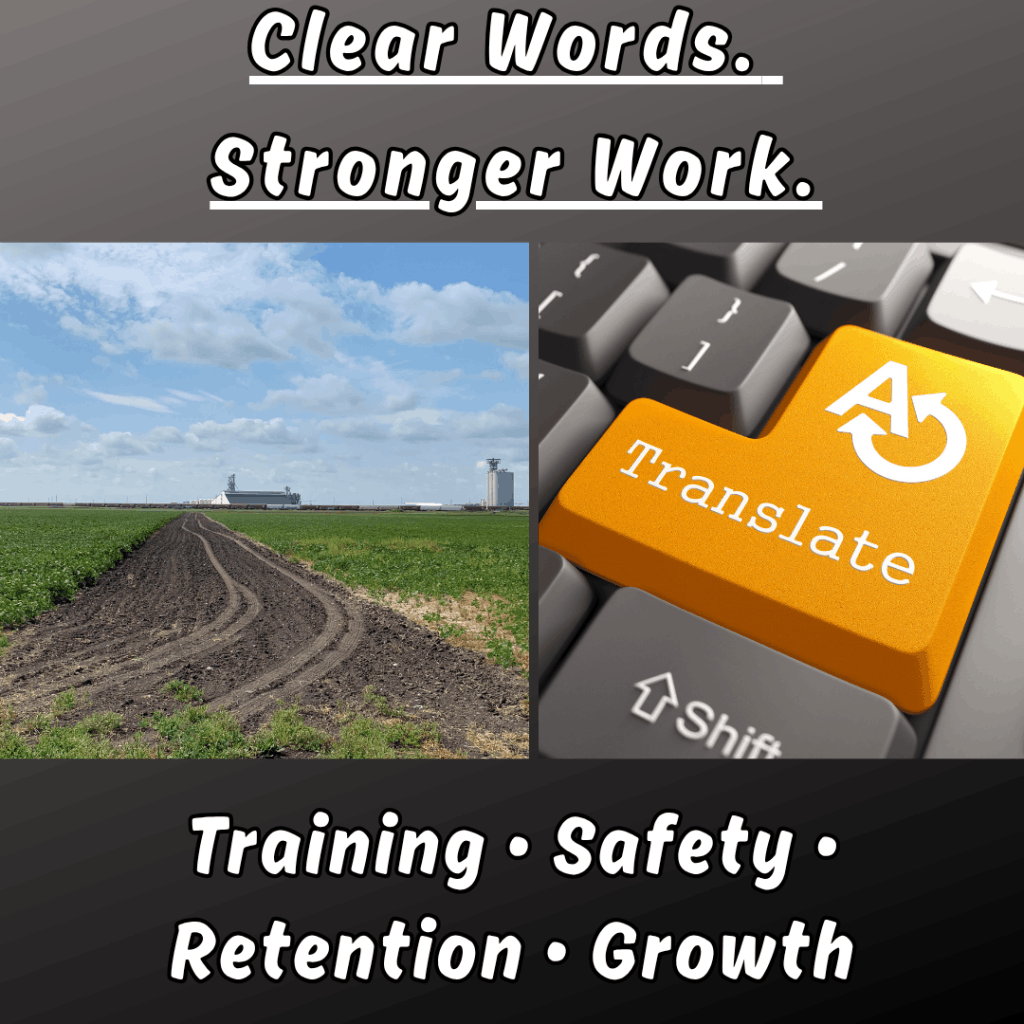
Workforce / Employers & Nonprofits: Language support moves from “nice idea” to business tool
What changed: The North Dakota Department of Commerce and Global Talent Office are hosting “Fueling Growth: Bridging the language gap for ND employers and Nonprofits” on June 1 from noon to 1 p.m. CT. The session focuses on helping employers and nonprofits reduce communication barriers in a more diverse workforce.
Who it affects: Employers with frontline teams, nonprofits, manufacturers, restaurants, hotels, construction crews, home-service businesses, clinics, care providers, and businesses hiring workers whose first language is not English.
Why it matters: Communication gaps show up in safety, scheduling, customer service, training time, employee retention, and daily mistakes. Tools like ENGEN, mentioned in the Commerce notice, may help employers keep good workers longer and bring new employees up to speed faster.
Source: North Dakota Department of Commerce — Fueling Growth webinar
Retail / Home Services: Fargo hardware closure signals changing supply habits
What changed: SCHEELS Home & Hardware in Fargo is closing. WDAY reported the store has served the community for more than 120 years, and SCHEELS says the closure affects only the Home & Hardware store and that it will work to retain as many associates as possible across its footprint.
Who it affects: Contractors, maintenance crews, property managers, DIY customers, decorators, lawn and garden shoppers, local vendors, nearby restaurants, delivery drivers, and employees tied to the store.
Why it matters: Even when a closure is handled responsibly, it changes buying patterns. Customers shift to other stores or online orders, smaller suppliers may see new demand, and nearby businesses may feel the loss of regular foot traffic.
Source: WDAY Radio — Fargo’s SCHEELS Home & Hardware store to close
Infrastructure / Contractors: $10 million in local road projects is moving into the pipeline
What changed: NDDOT selected 29 projects totaling $10 million through the Special Road Fund grant program. The department posted the update on May 27.
Who it affects: Excavators, concrete and asphalt contractors, gravel haulers, engineering firms, fuel suppliers, equipment dealers, flagging crews, rural businesses, local governments, and businesses located near project routes.
Why it matters: Road work is not just an inconvenience story. It creates contractor demand, equipment hours, fuel use, hauling work, detours, customer access issues, and short-term scheduling pressure for businesses near affected roads.
Source: North Dakota Department of Transportation — News and Events
Agriculture / Rural Main Street: Planting progress is moving, but weather stress is still in the field
What changed: North Dakota farmers made planting progress despite wind, storms, and temperature swings. USDA data reported by Successful Farming showed 63% of soybeans planted, 83% of spring wheat planted, and 80% of corn planted in North Dakota, with western and southeastern dry areas beginning to show stress.
Who it affects: Farmers, agronomists, elevators, repair shops, fuel suppliers, implement dealers, crop input sellers, trucking firms, rural cafés, convenience stores, and seasonal labor.
Why it matters: When planting moves in bursts, Main Street feels it. Repair shops get rushed, fuel demand spikes, trucks get booked, and small-town businesses see traffic rise or fall depending on field windows.
Source: Successful Farming — What’s happening with North Dakota crops
Small Business / Planning: Optimism is steady, but uncertainty is still expensive
What changed: NFIB reported that the Small Business Optimism Index rose slightly in April to 95.9, but remained below its 52-year average for the second straight month. NFIB’s North Dakota director said uncertainty is making it harder for business owners to plan while labor costs and energy prices continue to pressure sales.
Who it affects: Independent retailers, contractors, cafés, service firms, ag support businesses, energy support companies, and employers deciding whether to hire, expand, delay, or raise prices.
Why it matters: Uncertainty has a cost. Businesses may hold back on hiring, delay equipment purchases, tighten inventory, or wait before signing larger contracts.
Source: NFIB North Dakota — April Small Business Optimism Index
Risk / Opportunity
Risk: Employers who ignore language barriers may keep losing time through re-training, safety misunderstandings, customer-service problems, and avoidable turnover.
Opportunity: The Commerce webinar gives employers a simple, timely way to explore language tools before summer staffing and production pressure gets heavier.