

What changed • Who it affects • Why it matters
Statewide Business Pulse
▲ Moving: Workforce data, AI/data-center policy, utility infrastructure, right-to-repair momentum, innovation financing
▬ Stable: Core hiring demand, ag service needs, energy-sector monitoring, summer retail and service activity
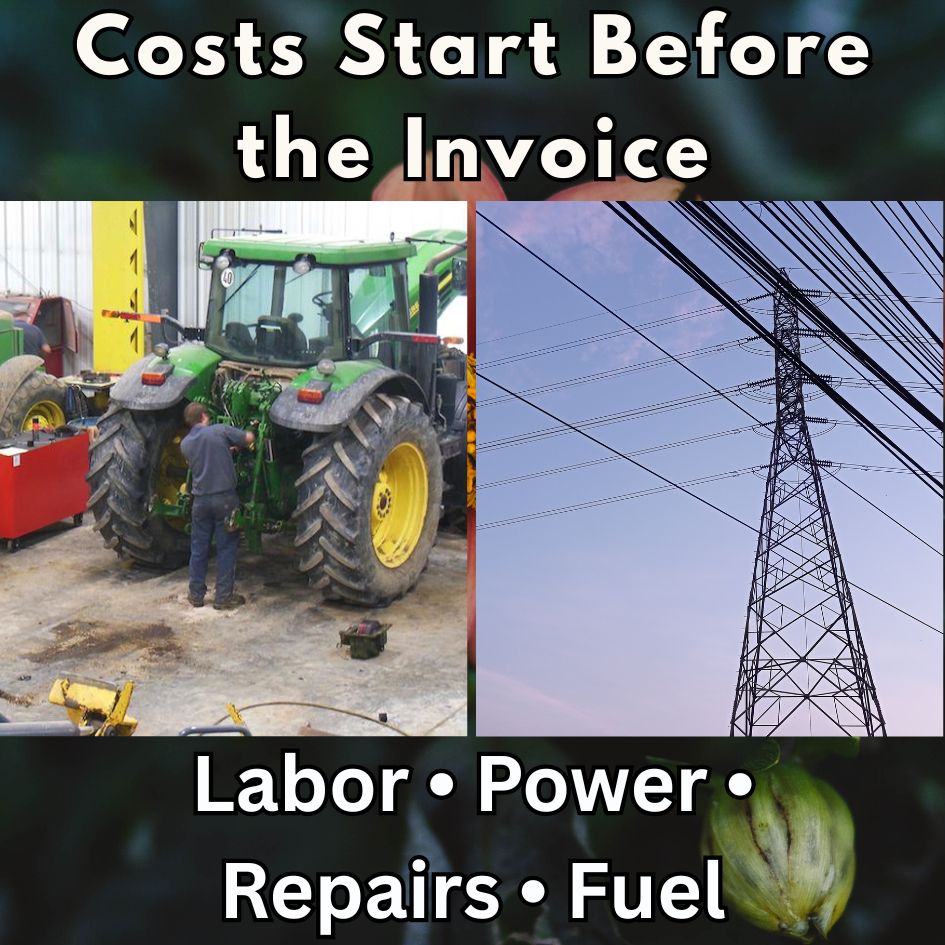
▼ Down / Under Pressure: Employers competing for workers, businesses exposed to utility costs, repair-dependent farms and shops, fuel-heavy operations
Watch: July 15 AI/Data Center Committee, July 14 PSC hearing schedule changes, July 20 Ellendale hearing-request deadline, July 30 LIFT deadline, July 31 withholding deadline
Today’s Signals
1. Workforce / Labor Supply: June job-opening data gives employers a sharper recruiting picture
What changed:
NDLMI’s June 2026 Online Job Openings Report was posted July 8. The state’s online labor exchange showed 12,253 open and available online job openings. NDLMI’s job-openings tool tracks employer-posted openings and active résumés by geography, industry, occupational group, and detailed occupation.
Who it affects:
Employers, HR managers, staffing firms, workforce boards, training providers, economic developers, local governments, and businesses deciding whether to adjust wages, schedules, job requirements, or training.
Why it matters:
This is a better signal than simply saying “labor is tight.” Employers can use the data to see whether their hiring problem is company-specific, regional, industry-wide, or tied to a specific occupation.
Source links:
https://www.ndlmi.com/vosnet/gsipub/documentView.aspx?docid=529
https://www.ndlmi.com/
2. AI / Data Centers / Land Use: Wednesday’s committee agenda shows the real business issues
What changed:
The Legislature’s Artificial Intelligence and Data Center Committee meets Wednesday, July 15, from 9:00 a.m. to 4:00 p.m. CDT at the State Capitol. The agenda includes AI regulation, model ordinances, state agency AI use, and a presentation on the relationship between data-center growth and the energy sector. A livestream will be available through the Legislative Branch.
Who it affects:
Landowners, farmers, ranchers, counties, cities, utilities, electric co-ops, contractors, developers, lenders, insurers, data-center companies, and rural businesses.
Why it matters:
This is not just a technology topic. Data centers can affect land use, water use, power demand, utility planning, zoning, tax incentives, construction demand, and local-service pressure.
Source links:
https://ndlegis.gov/events/2026/07/15/artificial-intelligence-and-data-center-committee
https://ndlegis.gov/assembly/69-2025/interim/27-5168-02000-meeting-agenda.pdf
https://video.ndlegis.gov/
3. Utility Costs / Energy Infrastructure: PSC calendar shows rate and large-load issues still moving
What changed:
The Public Service Commission’s July 14 formal hearing for Montana-Dakota Utilities’ Wind Farm Station Service – Wishek matter is listed as cancelled, but PSC activity continues this month. A July 20 deadline remains for requesting a hearing in Case PU-26-173, involving Montana-Dakota Utilities Co. and Applied Digital Man Camp – Ellendale, ND.
Who it affects:
Commercial utility customers, manufacturers, contractors, data-center service providers, local governments, housing providers, utilities, electric co-ops, and businesses watching power costs.
Why it matters:
Large-load development can bring construction and service opportunities, but it also raises questions about utility capacity, cost recovery, temporary housing, local services, and who pays for infrastructure.
Source links:
https://apps.psc.nd.gov/events/meetings
https://www.psc.nd.gov/
4. Business Financing / Innovation: LIFT applications remain open
What changed:
Commerce says LIFT Program applications are due July 30, 2026. The program supports technology commercialization and has recommended $47.5 million through 76 awards since inception. Terms include 0% interest for the first three years, then 2% interest during years four and five.
Who it affects:
Ag-tech firms, advanced computing companies, autonomous systems businesses, energy innovators, value-added agriculture, health care technology companies, startups, lenders, and economic developers.
Why it matters:
At a time when capital is expensive, this is a practical financing window for North Dakota companies trying to commercialize technology, add capacity, or leverage private and federal dollars.
Source links:
https://www.commerce.nd.gov/news/lift-program-now-accepting-applications-through-july-30-2026
https://belegendary.link/LIFT
5. Equipment / Repair Costs: John Deere settlement renews right-to-repair focus
What changed:
NFIB North Dakota highlighted the recent FTC/John Deere antitrust lawsuit settlement and said it could help farmers, independent repair shops, and small businesses that rely on John Deere equipment. NFIB’s North Dakota director said repair limits can drive up costs and delays, while broader repair access could help small businesses use local shops or make repairs themselves.
Who it affects:
Farmers, ranchers, independent repair shops, implement dealers, contractors, landscapers, auto repair shops, equipment-dependent businesses, and rural service providers.
Why it matters:
Repair access is a business-cost issue. Downtime during planting, harvest, construction, delivery, or service work can cost more than the repair itself. This also connects to broader right-to-repair debates affecting vehicles, electronics, and equipment.
6. Workforce Strategy: Global Talent Summit registration is open for employers
What changed:
Commerce’s Global Talent Summit is scheduled for September 3, 2026, in Bismarck. The event is designed for employers and workforce partners, with topics including immigration, recruiting entry-level and skilled-trade workers, advanced-degree workers, integration, and retention. Early-bird registration runs through August 3.
Who it affects:
Employers, HR managers, manufacturers, contractors, health care providers, hospitality businesses, workforce boards, economic developers, and community organizations.
Why it matters:
North Dakota’s workforce problem will not be solved by job postings alone. Employers looking at international talent, retention systems, and regional workforce partnerships may find this more useful than another generic hiring event.
Source link:
https://www.commerce.nd.gov/workforce/global-talent-office/global-talent-summit
7. Agriculture / Rural Cash Flow: Wheat conditions are still positive, but disease and weather risk are active
What changed:
The North Dakota Wheat Commission’s July 7 update says 56% of North Dakota’s spring wheat was headed, slightly ahead of average. It also says 57% of North Dakota spring wheat was rated good to excellent, down slightly from the prior week, while humidity increased disease risk and producers were watching for Fusarium head blight.
Who it affects:
Farmers, crop consultants, sprayers, elevators, ag lenders, implement dealers, fuel suppliers, crop insurers, rural retailers, and repair shops.
Why it matters:
Crop condition affects input decisions, fungicide demand, repair work, grain expectations, operating loans, and rural spending. This is a cash-flow signal for more than farmers alone.
Source link:
https://www.ndwheat.com/weekly-wheat-update
8. Fuel / Freight: Diesel is lower, but still a cost problem
What changed:
EIA’s July 7 update shows Midwest diesel at $4.458 per gallon for the week ending July 6, down from $4.583 the prior week and $4.751 two weeks earlier. The next release is scheduled for July 14.
Who it affects:
Truckers, farmers, contractors, delivery companies, oilfield service firms, school transportation providers, and businesses using fuel surcharges.
Why it matters:
The direction is better, but the level still matters. Diesel remains high enough to affect bids, fieldwork, freight, delivery fees, and margins.
Source links:
https://www.eia.gov/petroleum/gasdiesel/
https://fred.stlouisfed.org/series/GASDESMWW
Risk / Opportunity
Risk:
The biggest near-term risk is hidden cost pressure: utility infrastructure, labor scarcity, repair delays, fuel costs, crop disease pressure, and compliance deadlines can all hit cash flow before owners see them coming.
Opportunity:
The strongest opportunities are in early action: use June job-opening data to sharpen recruiting, watch the AI/data-center hearing before rules are drafted, evaluate LIFT financing, review repair options, and keep fuel and crop signals current before pricing work or making purchasing decisions.